Abuse, Betrayal, and the Perils of Pedestals
One of my heroes died back in May. He died again last week.
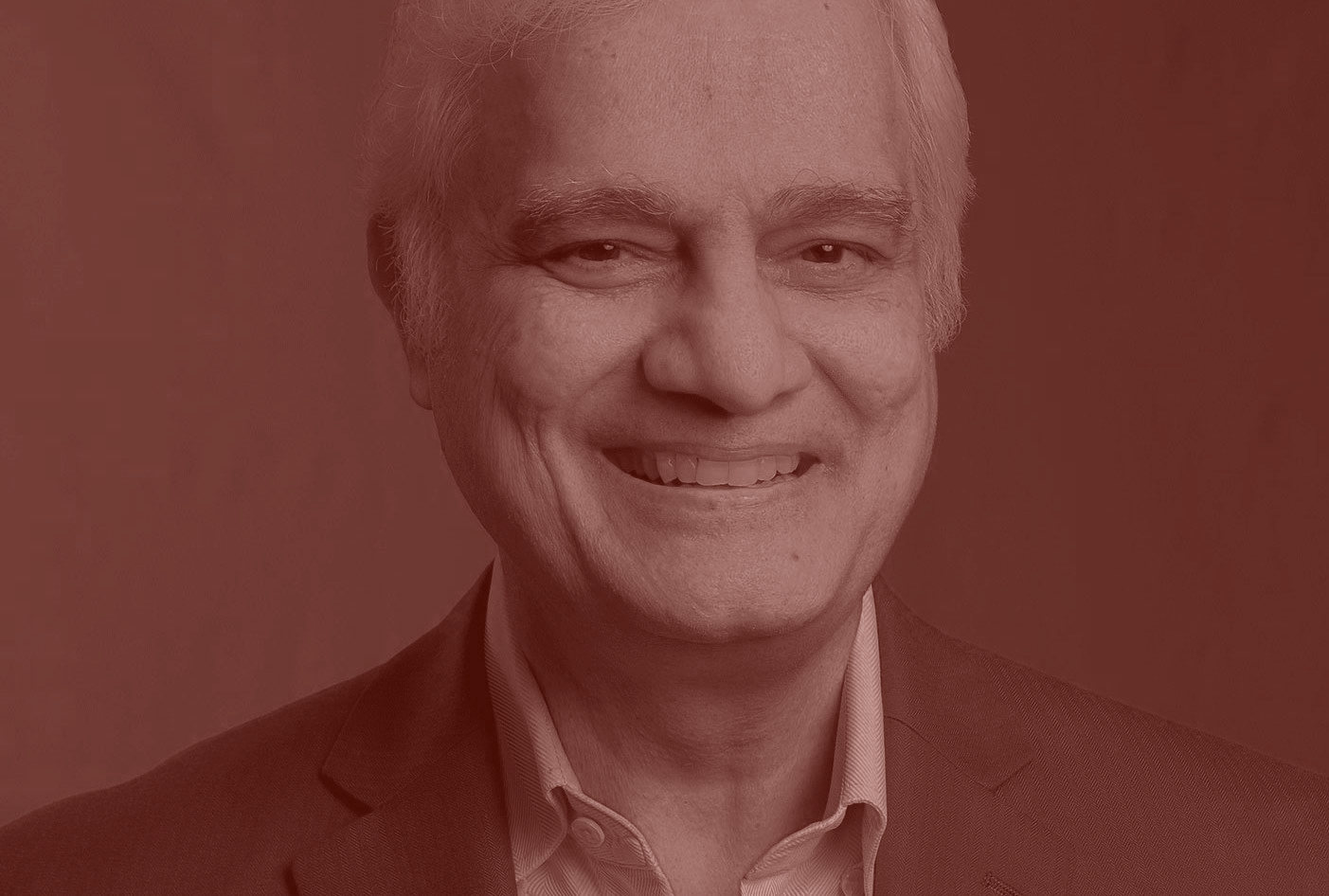
I never met Ravi Zacharias, but he has been a giant to me since in my earliest years of ministry. I used to do the dishes with him back when podcasts were just becoming a thing. I’ve heard many preachers at the top of their game, but never one who could make the truth so beautiful. His sermons, while vivid and forceful, were shot through with the poetry of grace. Everything about him, from his rich accent, to his perfect diction, to his surgical use of quotes, made me want to be be a better preacher. In fact, sometimes when I write, I still hear his voice narrating my prose.
This past week, then, has been a bit of a gut-punch. An independent investigation confirmed that the man in the podcast was not the man I believed him to be. Suffice it to say that Ravi, like so many before him, abused his position by abusing vulnerable women who trusted him like the rest of us did.
There is nothing new here, of course, and that’s part of the tragedy. Recent flameouts by Christian leaders have jump-started new discussions on sexual abuse, local accountability, the responsibility of institutions, and the rancid nature of Christian celebrity. They are hard discussions to have, especially for those of us who are still feeling sick to our stomachs, but they are essential. Men need integrity. Ministries need transparency. Victims need advocacy. And preachers of the gospel need their feet held to the ground.
It is only this last point that I feel qualified to speak to. I’m only an associate pastor of a mid-sized church in small town Oregon—I’m not even the lead guy—but I’ve felt the pull of the pedestal, too. We all have.
I put a book out a couple of years ago, and I had two concerns that kept me up at night. First, I was worried what might happen if the book bombed. I didn’t want it to crush me. After all, my identity was supposed to be rooted in Christ, not in book sales or Amazon reviews. I didn’t want that to change.
I was also worried about the opposite scenario: what would happen if my book became a huge success? What if it became a bestseller, and people treated me like a rockstar? More to the point, what if I started to agree with their accolades? I knew that was a less likely scenario (there are only so many bestsellers, after all) but it was the more perilous one, too. After all, the greatest stories of human implosion never begin with shady massage parlors or cheap hotel rooms, but with feeble men who believe their own press. That progression is as clichéd as corruption itself. We’ve seen it happen a hundred million times, and yet it still surprises us when the bloated giants collapse beneath the weight of their own heads. I didn’t want to fall victim to that same lunacy.
So, in the months before my book release, I decided to bring my fear to the light. I sought out the wisdom of a spiritual director. I found solace with him, and I found comfort in the prayers of our church elders. But you know where I found safety? In the cackling of my closest friends, who mocked me incessantly with the precious love of Jesus. I’m serious.
“What, you think we would ever let you believe you’re something special?” They laughed. “Uhhh, no. Remember, we actually know who you really are.” And I almost wept with relief, because it was true. I knew as long as I kept them in the center of my life, I would be safe. (It turns out I need not have worried. The book didn’t sell particularly well.)
My boss and senior pastor, Joshua Rivas, was one of those people. He likes to say, “You’re never as bad as your worst critics, and you’re never as good as your biggest fans.” He’s right, too. True validation doesn’t come from crowds. It comes from those who lift you up when you’re low, and who take you to task when you get too big for your britches. “Faithful are the wounds of a friend.”
This leads me back to Ravi Zacharias. I don’t think he had anyone in his life who did this. And that’s a shame, because if the reports are as bleak as they seem, Ravi didn’t just have old skeletons in his closet, he carried them in his suitcase. He wasn’t a man who went off the rails one time years ago; he was actively living a different story than he preached, leaving a trail of damaged lives in his wake. All this despite having countless colleagues, a board of directors, and a ministry network like few people in all Christendom. By all indications, none of these people was permitted to wound him.
Or maybe they tried, but it was too late. Maybe he was already out of reach on his pedestal. Maybe the adulation of his fans—people like me—had already worked it’s terrible magic.
God help me, but maybe I was part of the problem.
Can I ask a favor of you, dear reader, on behalf of other preachers and writers who have no desire to wreck their lives or the lives of the innocents? Who desire to be faithful in every way to the call of Christ? While we’re figuring out things like organizational accountability and transparency, there is a small thing you can do as we move forward: you can help us by refusing to build us pedestals.
I know, sometimes we all think we want to balance atop such stages, but they are too high, and we know it. We have been tasked with teaching worship, not receiving it.
Please understand, I’m not asking you to hold us to a lower standard. God Himself demands a lot of us. If we’re going to teach a truth, we’d better at least be doing our best to live it. And if we fall, the guilt is ours and ours alone.
Still, the pull of celebrity is a poisonous thing, and not at all suited to ministers of the gospel. We are most settled—most grounded and secure and, well, safe—when we are sharing life not with followers and fans who don’t question us, but with brothers and sisters who do; with friends who know all our secrets, and love us enough to wound us when they must.
In the meantime, what do I do with all the things I learned from Ravi? He introduced me to the maxims of Chesterton, and the pummeling prose of Muggeridge. He taught me the power of story, the magic of metaphor, and how to hold a long “S” at the end of my money quotes. But more than all that, he showed me how to embrace mystery and wonder in the good news of Jesus Christ.
What am I to do with all that? And what am I to do with his narrative voice, which still plays in my mind when my fingers are hammering out something good?
I don’t know the answer. But I know the power of redemption is great. While the man I revered will doubtless receive a hefty judgment for his crimes, his words themselves might still produce fruit in hungry souls. So maybe it’s okay if I still hear him.
For now, all I can do is learn from the tragedy of my distant mentor; to write and speak with urgency, but without ambition, and to keep my feet planted in the sacred soil of glorious community.

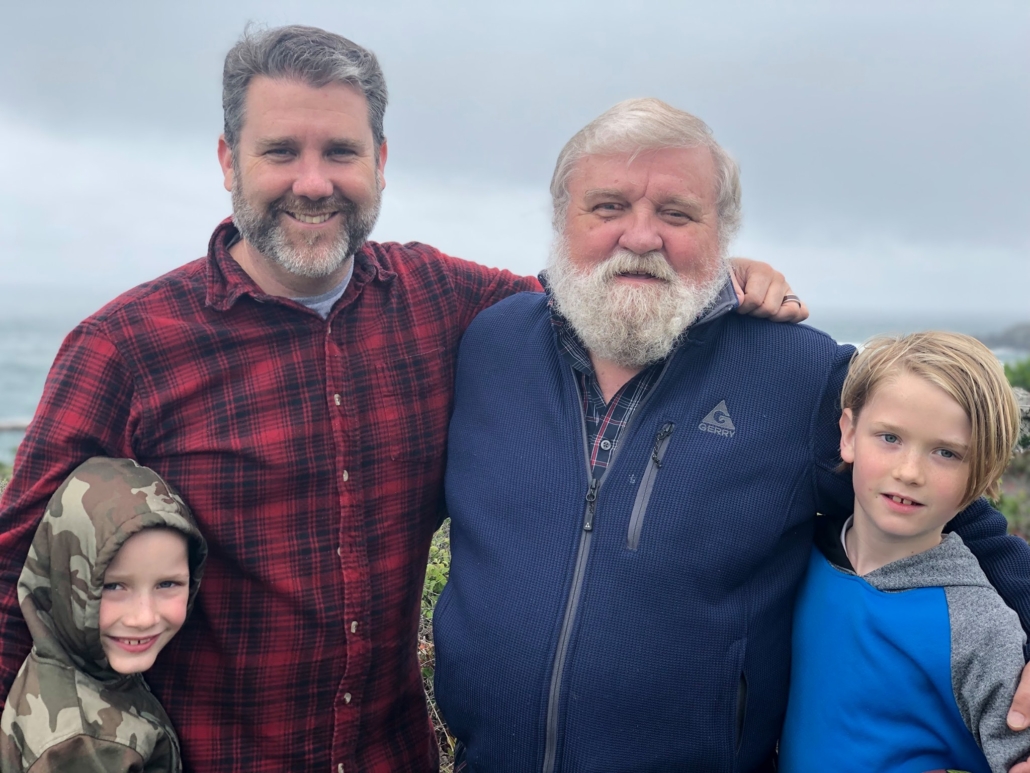
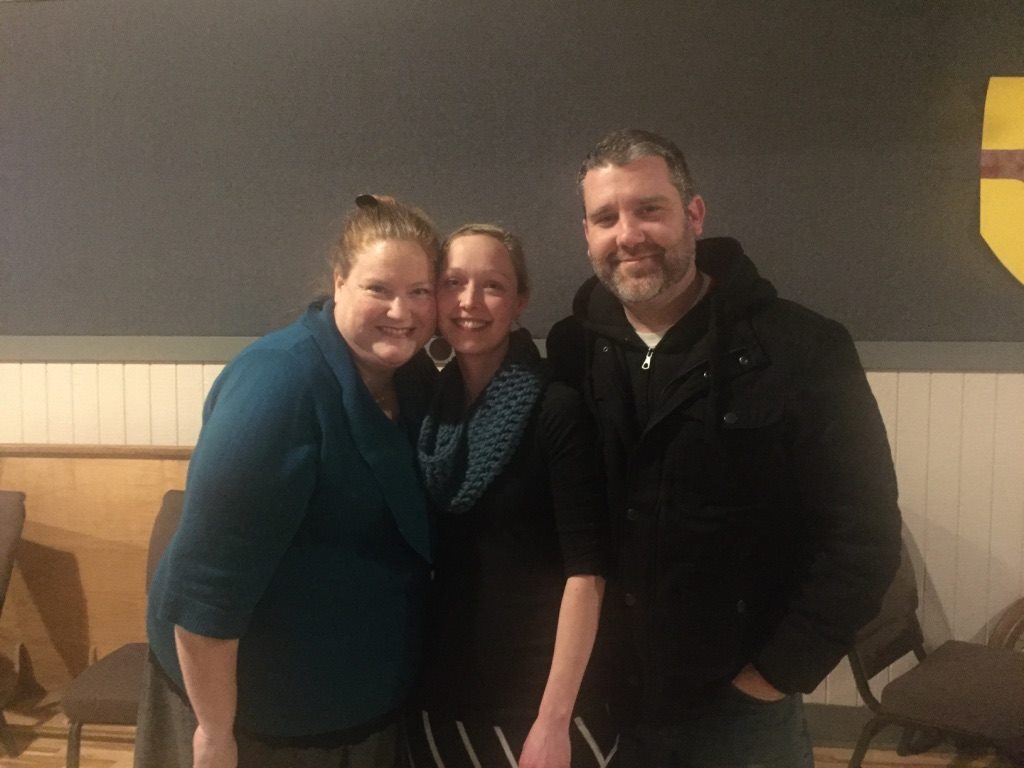
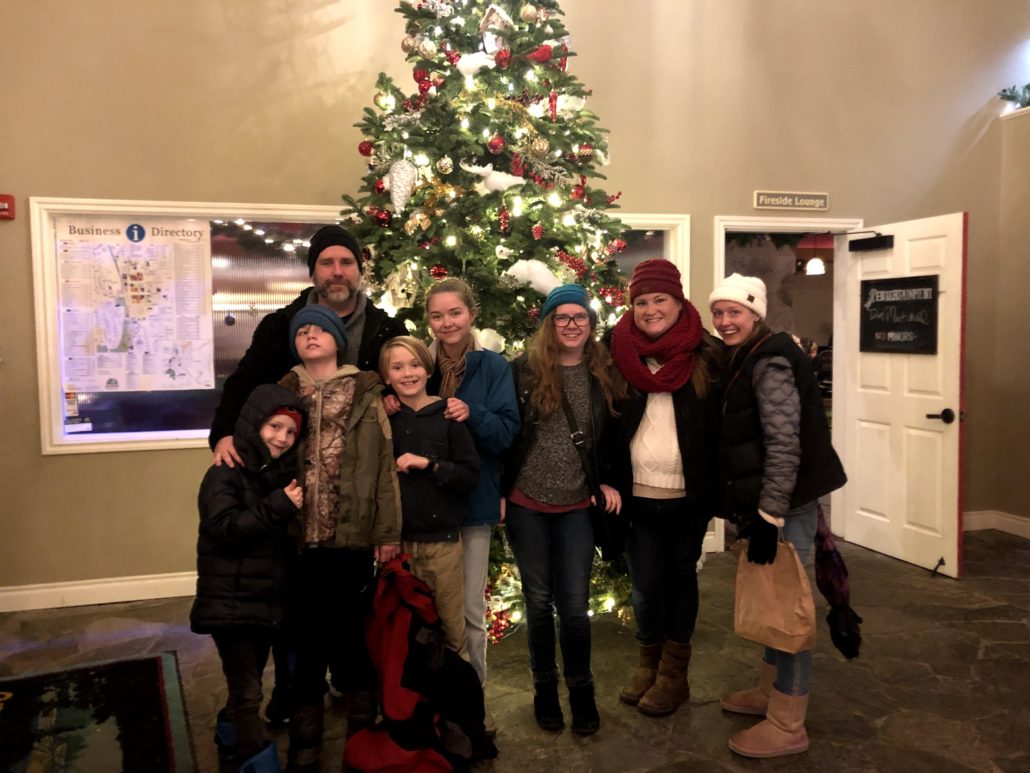
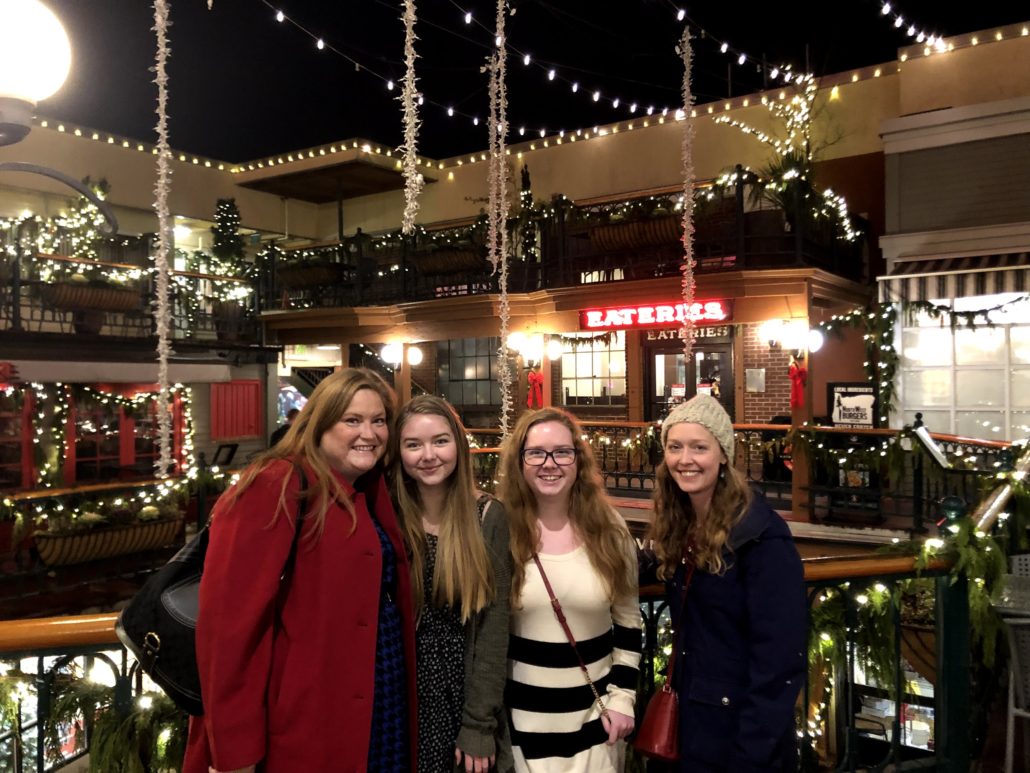 Janae was in our lives for sixteen years. Sixteen. And in those years, she brought to my family a brand of lavish affection we didn’t know existed. She was both the children’s godmother and their fairy godmother, granting movie nights and birthday wishes with a winsome wave of her wand. And to Sara and I, she gave a loyalty and presence we never expected and did nothing to deserve.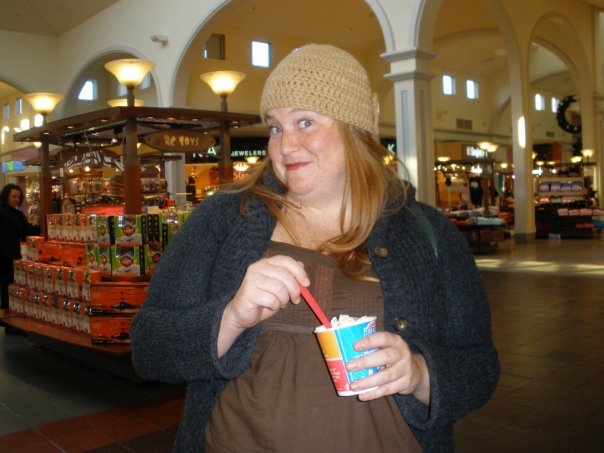

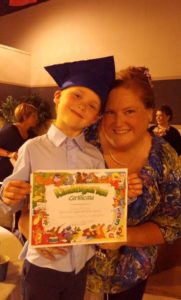 That was my sister. We had different parents, but for the past 16 years, Janae Alice McWilliams was a staple in the Hague household. She was a part of us. When we left Texas for California, we left together. When we migrated from California to Oregon, we migrated together. When we lost our dear Karen, we mourned together in the little house we shared for more than three years. She was my kids’ auntie and chief cheerleader; their personal, in-home Mary Poppins. She went to dance recitals and soccer games, and when Sara and I couldn’t make one of those events, we never worried too much. Janae could be there. That would be plenty for the kids.
 own absent-minded minimalism. Truly, she was my sister, but we could never have grown up in the same household. Her grand gestures always dwarfed my own feeble attempts at appreciation. She gave the best, most thoughtful birthday presents. I gave her gift cards. That kind of thing always embarrassed me, but how could I compete with her? How could anyone compete with her?
 wild words of praise; with long conversations, deep embraces, and clocks on the wall. She spoke all five love languages with a native accent.
 But sometimes, he can be such a jackass!” We all fell apart laughing. It was perfect. But it also stung just a tad. Not because she was wrong; I know full well that I can be a jackass, and I didn’t mind her saying so. No, it stung because of where my mind flashed to; the times I hurt her like almost nobody else could. Like when I took her for granted, as if her die-hard devotion to me and my family was somehow pedestrian; as if it was a small thing to hear people gape at how much she loved us; as if her unassailable, self-sacrificial loyalty to the Hague clan was our right, and not her gift.
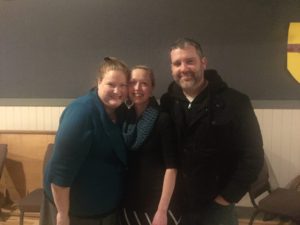 know they say not to have regrets, but I have them. I think it’s okay to look back and wince every now and again; to hope that our love was wide enough, and to trust that even where it wore thin, things might still be okay. Because whether we pack heavy or pack light, this life is a temporary destination. Eventually, we will go home, and Someone else will have to carry us up the stairs. We will have to trust that His love is full enough to make up for all the places ours wore thin.

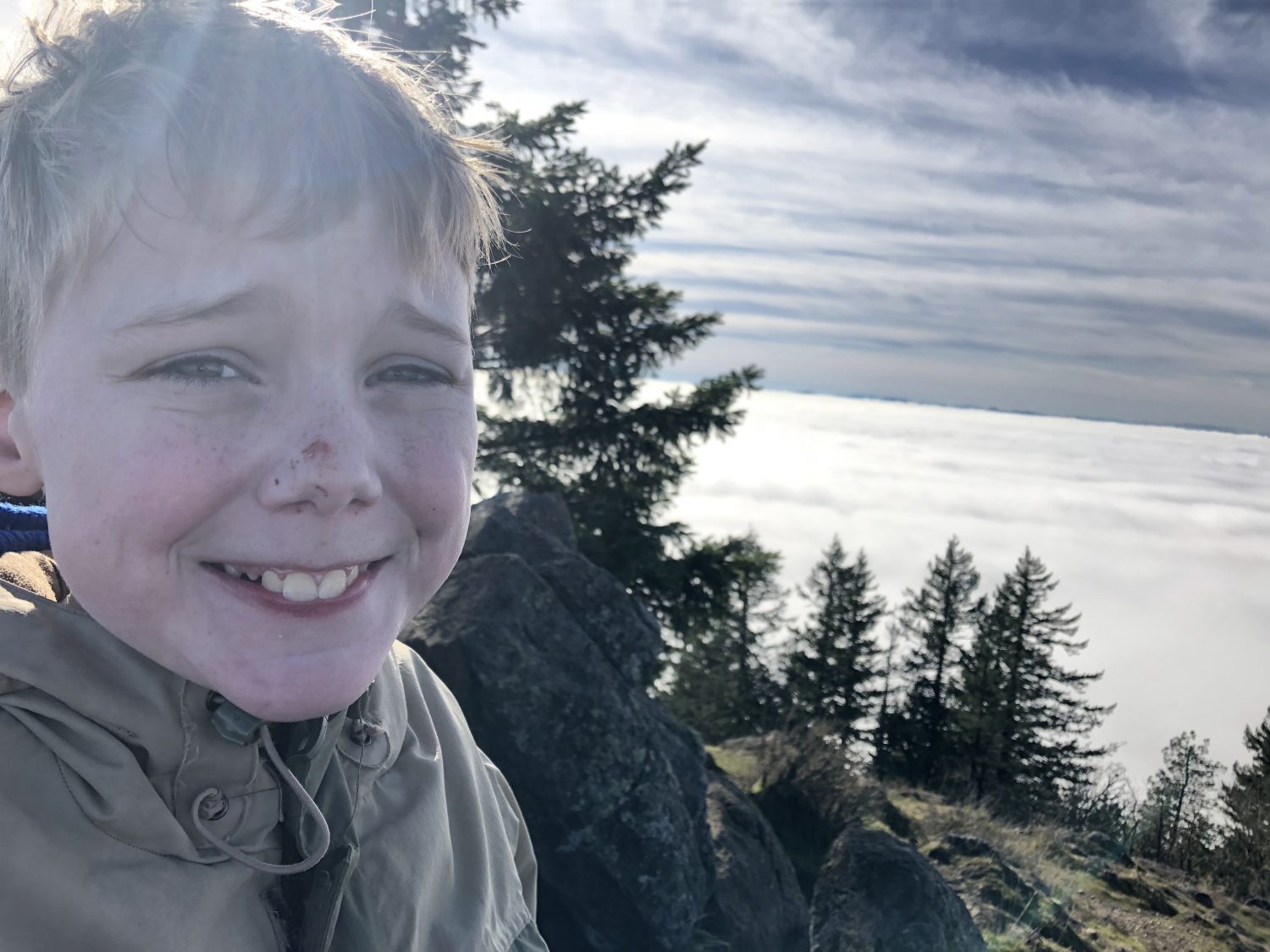
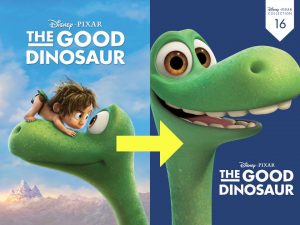 Things turned around a bit in May, but he’s taken a dip again since Apple auto-updated some of their iTunes movie covers two days ago. The Good Dinosaur picture is different. It’s just Arlo now. Spot is gone, and Jack’s head is exploding.